Thinking Like an Engineer: A Smarter Approach to Rigging in Industrial Environments
In the world of heavy industrial rigging, experience is invaluable—but it’s no longer enough. As equipment becomes larger, more delicate, and more integrated with precision manufacturing systems, the demands on rigging professionals are evolving. Today’s most successful teams are those that embrace not just mechanical know-how, but an engineering mindset.
This mindset—rooted in analysis, innovation, and safety-first planning—enables rigging professionals to approach complex challenges with clarity and control. Rather than relying solely on muscle and memory, they draw on structural modeling, load path analysis, and custom-engineered lift systems to move equipment safely and efficiently, even in the most constrained environments.
Engineering the Unexpected
Every rigging operation begins with a fundamental question: How do we move this safely, efficiently, and without compromise? Engineering-focused teams answer this by diving deep into the variables. They evaluate weight distribution, environmental impact, and infrastructure limitations before the first chain is lifted. This level of analysis reduces risk, minimizes disruption, and prevents costly surprises.
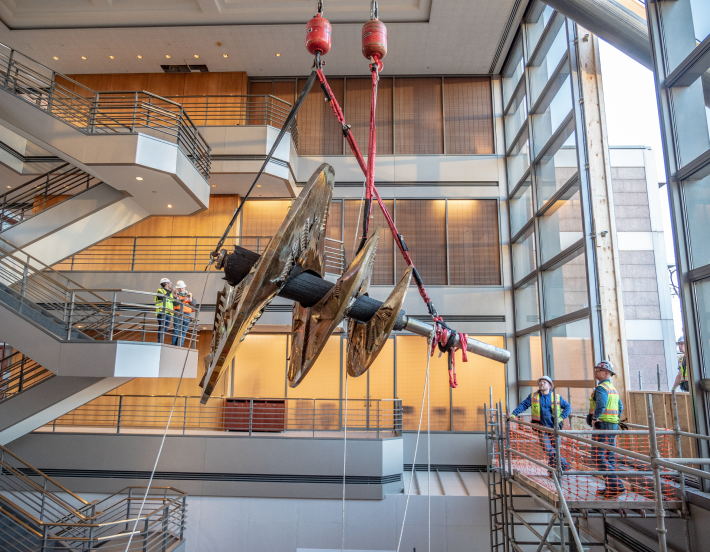
In one example, a 7,000-ton capacity press had to be relocated from a historic site after decades of inactivity. Traditional methods such as flame cutting posed too many risks to the structure and surrounding environment. Instead, the team used wire-saw techniques and guided cutting based on metallurgical testing. When a component was too fragile to lift conventionally, a custom gantry system and lift plan were engineered to handle the load safely. It wasn’t just a relocation—it was a reinvention of what’s possible in modern rigging.
The Value of Engineering Thinking
The benefits of engineering in rigging go far beyond technical success. This mindset cultivates:
- Proactive safety: Designing safety into the plan from day one, rather than relying on reactive controls.
- Innovative solutions: Engineering allows for unconventional approaches—wire saws over torches, or gantry lifts over cranes—when traditional methods fall short.
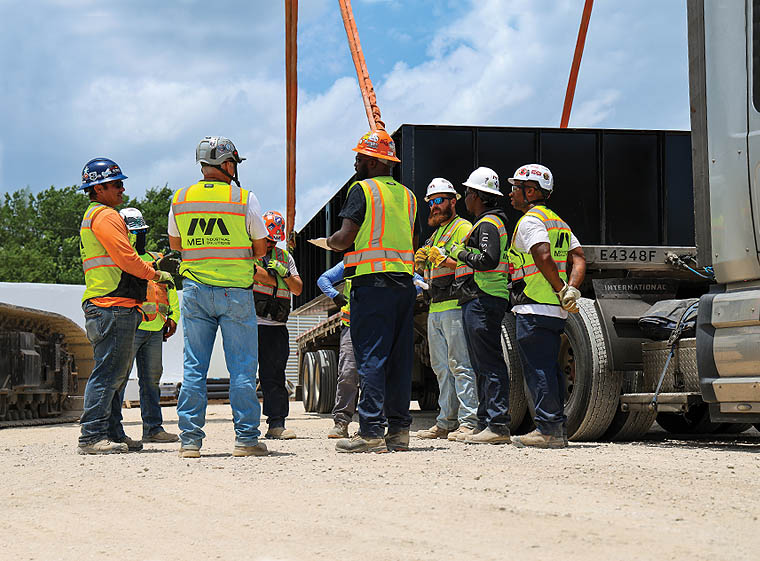
- Collaborative planning: Engineers are trained to anticipate and mitigate. They test assumptions, involve stakeholders, and revise based on real-world constraints.
As a result, engineered rigging operations are often more predictable, cost-effective, and aligned with overall project goals.
A Smarter Future for Rigging
Heavy lifting will always require expertise, coordination, and experience. But in today’s industrial landscape—where downtime is costly, space is limited, and safety is paramount—thinking like an engineer is what sets world-class operations apart.
For plant managers, project leads, and industrial contractors, the takeaway is clear: integrating engineering principles into rigging is a necessity. Whether you’re overseeing a plant relocation or installing sensitive equipment in a clean room, partnering with teams who lead with engineering can mean the difference between success and setback.
MEI Industrial Solutions is the premier provider of end-to-end industrial solutions across North America. Our expertise spans a diverse range of sectors, delivering value when the stakes are high and it matters most. From rigging and machinery moving to specialized transportation, industrial storage, and custom crating, we engineer solutions that empower your success.
Contact us today for your next project: Request a Quote