One Approach Doesn’t Fit Every Industry: Why Adaptability Is the New Standard in Industrial Services
As industrial facilities become more advanced, the expectations placed on service providers continue to evolve. Today’s projects demand far more than moving equipment from one location to another; they require partners who understand the operational realities of the environment in which they work.
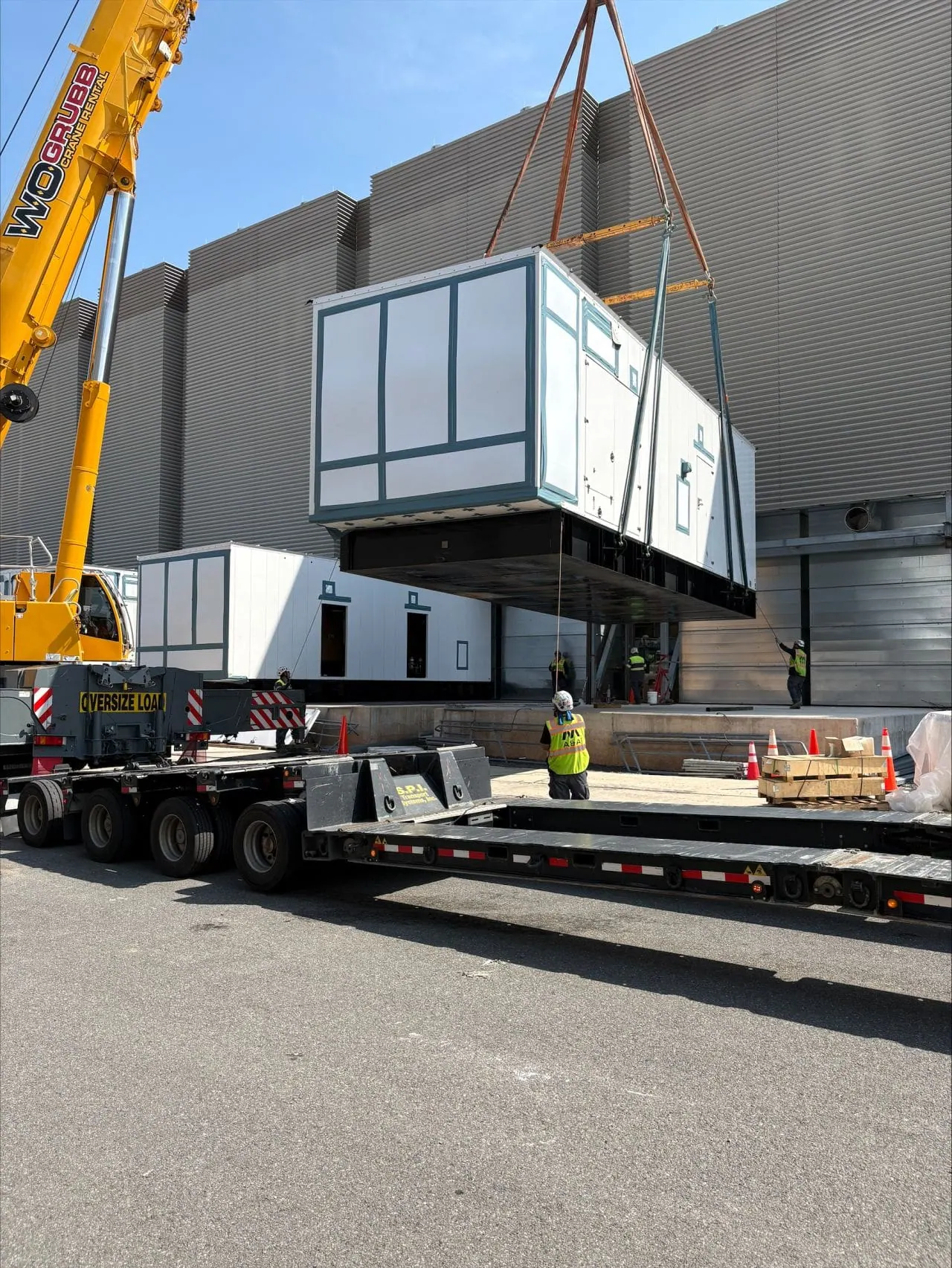
Whether supporting a semiconductor clean room, installing mission-critical equipment inside a hyperscale data center, or relocating heavy manufacturing equipment in an active production facility, success depends on adapting to the customer’s unique operating conditions. Every industry presents its own challenges, priorities, and risks. The companies that consistently deliver successful outcomes are those that understand every project begins with planning, then execute with the flexibility to adapt without compromising safety, quality, or schedule. Adaptability is one of the most valuable tools a company can bring to every project.
Every Facility Has Different Rules for Success
Industrial projects rarely occur in controlled, empty buildings. More often, they take place in facilities where production cannot stop, contamination cannot occur, or critical infrastructure must remain online.
In advanced manufacturing and semiconductor environments, even microscopic contaminants can impact production. Teams must work within strict clean room protocols, carefully controlling materials, equipment, personnel movement, and documentation to protect sensitive operations.
Inside data centers, the margin for error is equally small. Equipment is often installed within energized, mission-critical facilities where uptime is paramount. Detailed planning, precision execution, and close coordination with contractors and owners are essential to ensure every move supports aggressive construction schedules while protecting critical infrastructure.
Manufacturing facilities present another set of challenges. Heavy machinery relocations frequently occur alongside active production lines, requiring detailed sequencing, shutdown coordination, and efficient execution to minimize operational disruption while maintaining safety standards.
Although each environment is different, one principle remains constant: the work must adapt to the facility, not the other way around.
Building Flexible Solutions Around the Customer
No two projects are identical, even within the same industry. Differences in schedules, facility layouts, equipment sensitivity, safety requirements, and production demands require customized planning from the very beginning.
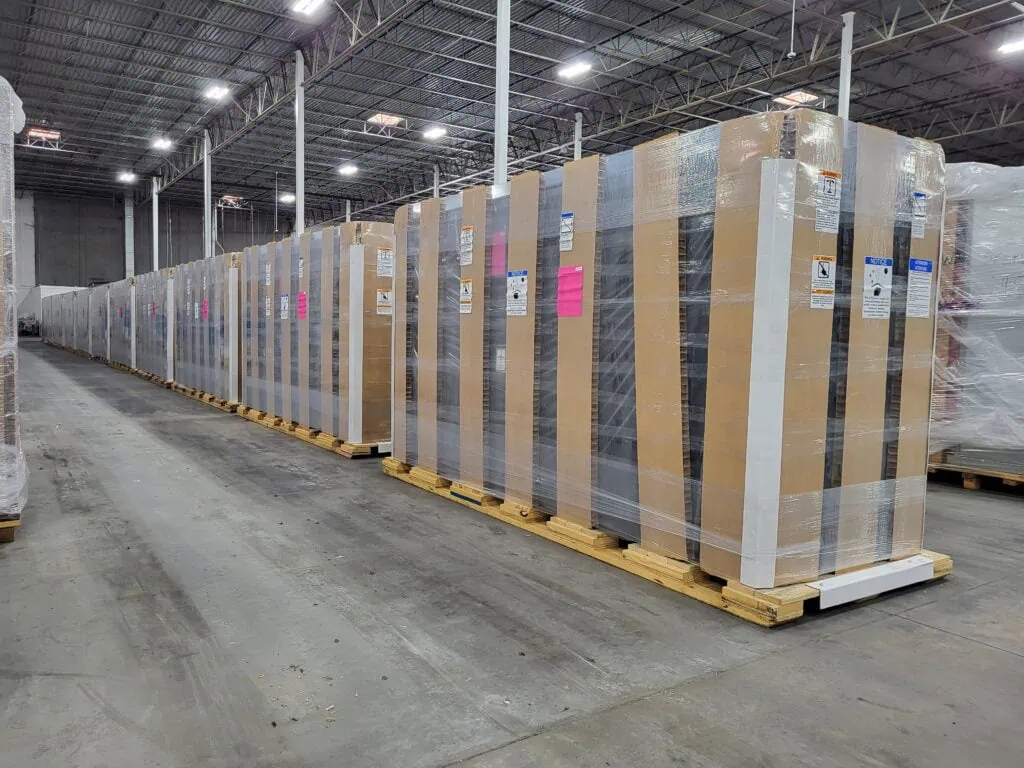
That means these industrial services may require engineering lift plans around confined spaces, coordinating multi-trade schedules, designing specialized transportation and industrial storage strategies, or developing phased installation plans that allow customer operations to continue throughout the project.
This collaborative approach has been central to projects completed alongside engineering and construction partners, where successful execution depends on close communication, detailed planning, and the ability to respond quickly as project conditions evolve. Large-scale industrial projects rarely follow a perfectly straight path. The ability to adapt without compromising safety, quality, or schedule often determines project success.
Rather than offering standardized solutions, MEI Industrial Solutions first understands each customer’s operational objectives, then builds a service strategy that aligns with those goals.
Expertise That Transfers Across Industries
Working across multiple industries creates a unique advantage.
Lessons learned in highly controlled clean room environments strengthen quality processes used in manufacturing facilities. The precision required inside data centers improves planning for complex equipment installations. Experience coordinating large industrial shutdowns enhances efficiency on fast-paced construction projects.
This cross-industry perspective allows best practices to move between markets, creating more innovative and efficient solutions for customers regardless of the application.
As emerging industries continue to expand, including semiconductor manufacturing, battery production, life sciences, and data center infrastructure, the ability to transfer knowledge across markets becomes increasingly valuable.
Adaptability Is More Than a Capability
Industrial projects are becoming larger, more technical, and more interconnected. Customers are looking for partners who understand not only how to execute the work, but how their work affects production, schedules, safety, and long-term operational success.
Adaptability is no longer simply an advantage; it’s an expectation.
Meeting that expectation requires experienced people, detailed planning, engineering expertise, and a commitment to understanding every customer’s environment before work begins.
Because the most successful industrial projects aren’t built around a standard process. They’re built around the customer’s unique definition of success.